How to Reach Financial Freedom on a Modest Income: A Practical Guide
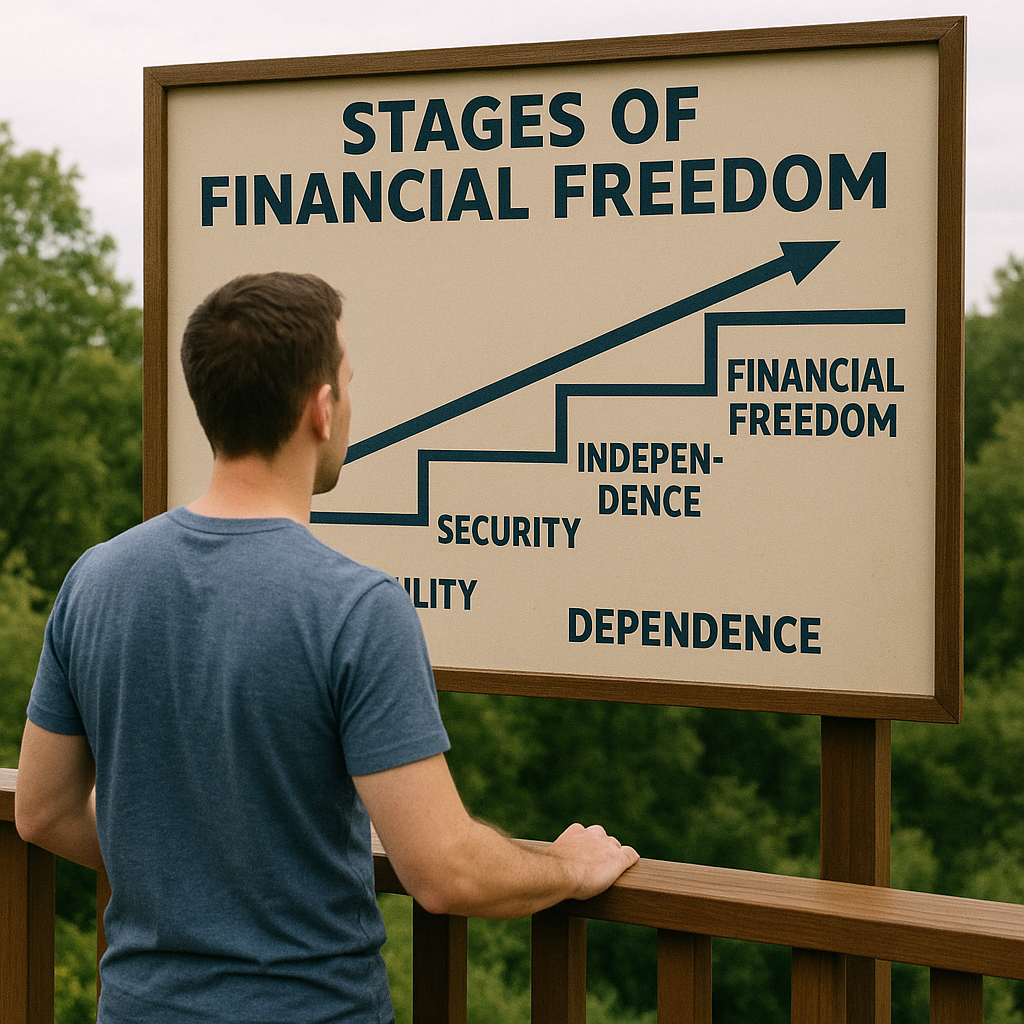
Financial freedom is one of the most desired goals in life. For many, it means living without constant stress about bills, having the ability to make choices without money being the primary obstacle, and building a future of security and independence.
But here’s the truth: you don’t need a six-figure salary to achieve financial freedom. In fact, thousands of people reach financial independence while working average jobs or earning modest incomes. The key lies not in how much you earn, but in how you manage, save, invest, and build habits around money.
This comprehensive guide will walk you through how to reach financial freedom on a modest income.
⸻
What Is Financial Freedom?
Financial freedom means having enough savings, investments, and passive income to cover your living expenses without depending entirely on active work. It’s not about being rich—it’s about having control over your time, choices, and future.
For some, financial freedom might mean early retirement. For others, it’s simply the ability to live without debt, cover emergencies, and enjoy life without financial stress.
⸻
The Myth: You Need a High Income to Be Free
One of the biggest misconceptions is that financial independence is only for high earners. While having a larger paycheck can accelerate the journey, it doesn’t guarantee wealth. Many people with six-figure salaries still live paycheck to paycheck due to poor money habits.
On the flip side, people earning modest incomes can reach financial independence if they focus on discipline, consistency, and smart financial strategies.
⸻
Step 1: Shift Your Mindset About Money
Before you even begin building wealth, you must adopt the right mindset.
1. Stop Comparing Yourself to Others – Your path to financial freedom will look different from someone earning double your income. Focus on your goals, not theirs.
2. Value Time Over Things – Financial independence means prioritizing long-term freedom over short-term pleasures.
3. Believe It’s Possible – Countless families and individuals have reached financial security on modest incomes. Your habits matter more than your paycheck.
⸻
Step 2: Track and Control Your Spending
The foundation of financial freedom is spending less than you earn.
Create a Budget That Works
• Use the 50/30/20 rule as a starting point:
• 50% needs (rent, food, utilities)
• 30% wants (entertainment, dining out)
• 20% savings/investing
If your income is modest, you may need to adjust to a 60/20/20 or 70/15/15 split until debt is paid down.
Identify Spending Leaks
Look for small recurring expenses that drain your budget, like unused subscriptions, frequent takeout, or impulse buys. Redirect those savings toward your financial goals.
Live Below Your Means
This doesn’t mean living miserably—it means making conscious trade-offs. For example, driving a reliable used car instead of financing a new one could save you thousands.
⸻
Step 3: Eliminate Debt Strategically
Debt is one of the biggest barriers to financial independence, especially on a modest income.
Use the Debt Snowball Method
• Pay off the smallest debts first while making minimum payments on the rest.
• Each time a debt is cleared, roll that payment into the next debt.
• The psychological wins keep you motivated.
Or Try the Debt Avalanche Method
• Focus on the debt with the highest interest rate first.
• This method saves the most money long-term.
Regardless of which you choose, eliminating high-interest debt (like credit cards) should be your top priority.
⸻
Step 4: Build an Emergency Fund
Unexpected expenses—like car repairs, medical bills, or job loss—can derail progress. An emergency fund protects you.
• Start with a small buffer of $500–$1,000.
• Gradually build to 3–6 months of essential expenses.
• Keep it in a high-yield savings account, not investments.
⸻
Step 5: Save and Invest Consistently
Even on a modest income, small consistent investments compound into wealth.
Take Advantage of Employer Benefits
• If your employer offers a 401(k) match, always contribute enough to get the full match. It’s free money.
• Explore health savings accounts (HSAs) for medical costs and tax advantages.
Start Investing Early
• Use low-cost index funds or ETFs.
• Automate contributions monthly—even $50–$100 grows significantly over decades.
• Focus on consistency rather than timing the market.
Harness the Power of Compound Interest
If you invest $100/month starting at age 25, you could have over $200,000 by retirement (assuming a 7% average annual return).
⸻
Step 6: Increase Your Income (Without Burning Out)
While frugality is powerful, increasing income accelerates financial freedom. On a modest salary, consider:
• Side Hustles: Freelancing, tutoring, delivery apps, or online businesses.
• Upskilling: Learning high-demand skills (coding, digital marketing, trades) that boost earning potential.
• Passive Income: Rental properties, dividend stocks, or selling digital products.
Remember: every extra dollar earned and saved shortens the path to freedom.
⸻
Step 7: Set Clear Financial Goals
Financial freedom looks different for everyone. Define what it means for you.
• Do you want to retire early?
• Travel more?
• Be debt-free?
• Work less and spend more time with family?
Write down short-term (1–3 years), mid-term (3–7 years), and long-term (10+ years) goals. Regularly track your progress.
⸻
Step 8: Live Intentionally
Financial independence is not just about money—it’s about designing the life you want.
• Minimalism: Focus on experiences and relationships rather than material possessions.
• Frugal Living: Learn to enjoy simple pleasures that cost little or nothing.
• Value-Based Spending: Spend on things that truly matter to you, cut out the rest.
⸻
Real-Life Examples of Financial Freedom on a Modest Income
Example 1: The Teacher Who Retired Early
A schoolteacher earning $45,000 annually lived frugally, maxed out retirement accounts, and invested consistently. By age 55, she retired with a seven-figure portfolio.
Example 2: The Family on $60,000
A couple earning $60,000 combined income avoided lifestyle inflation, lived below their means, and invested in low-cost index funds. They became mortgage-free by 50 and now live off passive income.
Example 3: The Part-Time Worker with Passive Income
A single parent earning $35,000 annually started a side hustle selling digital products online. Over time, passive income grew enough to cover essential bills, granting freedom to work fewer hours.
⸻
Fun, Practical Ways to Save More on a Modest Income
• Meal Prep: Save hundreds each month by cooking at home.
• DIY Lifestyle: Learn basic car maintenance, home repairs, and gardening.
• Buy Used: Thrift stores, Facebook Marketplace, and consignment shops can save thousands.
• Cut Cable & Subscriptions: Use streaming bundles or library services instead.
• Cash Envelope System: Helps prevent overspending by assigning cash to categories.
⸻
Common Mistakes That Keep People Stuck
1. Lifestyle Inflation – Spending more each time you earn more.
2. Ignoring Debt – Carrying balances with high interest.
3. Not Saving Consistently – Waiting for the “perfect” time to invest.
4. Comparing to Others – Overspending to keep up with friends or social media.
5. Lack of Patience – Financial freedom is a marathon, not a sprint.
⸻
The Role of Patience and Consistency
On a modest income, progress may feel slow at first. But small steps compound over time.
• Saving $5/day becomes $1,825/year.
• Investing $200/month at 7% return grows to over $240,000 in 30 years.
• Paying an extra $100/month on your mortgage can cut years off repayment.
Consistency is more powerful than occasional big efforts.
⸻
Final Thoughts: Yes, You Can Reach Financial Freedom
Reaching financial freedom on a modest income is absolutely possible. It doesn’t require lottery winnings, inheritance, or a high-paying job—it requires:
• A disciplined mindset
• Smart budgeting
• Debt elimination
• Consistent saving and investing
• Intentional living
By making deliberate choices today, you can build a future where money no longer controls you—you control it.
Financial independence is not about how much you make. It’s about how much you keep, how wisely you invest, and how intentionally you live. Even with a modest income, freedom is within your reach.Visit www.runitupx.com